What’s In It For Me?
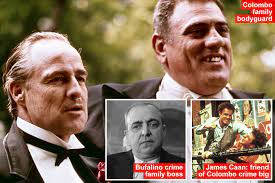
I went to a presentation on the history of organized crime (mafia) in our area. I went there to research for a book and inspire myself.
During the first speaker’s PowerPoint presentation (with photos and newspaper clippings), some people in the large audience laughed at certain stories. At the end of it, he told the people (paraphrasing not exactly what he said) that what he presented was not funny but horrifying and that we should not celebrate these people. However, the sizeable captive audience told another story.
Today, we’re bombarded with violence and negativity on television or online with news, crime shows, documentaries, video games and the like. And it’s incredibly popular. People love to see and talk about train wrecks. I wonder, though, if the presentation I saw was about saints who came from our region and the good they did in the world, would there have been that many people?
I don’t believe so.
First, it seems that faith-based programs aren’t all that popular, and second, the majority of us love to see train wrecks.
I assume everyone came to the presentation to learn more about this area, but if the presentation was about coal mining (which was prominent in this area at one time), again, would there have been that large number of people? I don’t think so.
We all have the “what’s in it for me” thought process. How can we not? We’re born to be self-preserving to carry on the human race. The degree to which we think about that varies from person to person.
What I learned about those in the organized crime bracket was that they were very much into the what’s in it for me game. Most of us don’t focus on the pain and horror organized crime caused; instead, the fancy suits, money, power, and greed seem to make them role models and celebrities. People feared them but also respected them. Books and movies showed the mob in a tough, mysterious fashion; people see real-life stories as tales of people with money and power.
So, how does “what’s in it for me” tie into the presentation I saw on organized crime? It got me thinking about how most people celebrate money and power over authenticity and kindness. Just think about a person you know who is loud, boisterous, and bossy; they seem to garner a lot of attention. They have the “what’s in it for me” attitude to the tenth degree, right, but somehow they get respect from others (primarily weak-minded, I’m sure.)
But I think most of us choose what we want and think about, “What’s in it for me?” quite often. I do sometimes, but not all the time. For example, if someone asks for my help, I don’t think, “What’s in it for me?” I just help them. All I require is a thank you. That’s non-negotiable.
I believe we all want to feel appreciated and shown gratitude. So, let’s be more gracious and say thank you. It’s so simple! The people who work in stores who take money from customers and say, “Have a good one,” reinforce this “what’s in it for me” mindset. They say the minimum as if they’re trying to get through the drudgery of their day. Sometimes I think those who can’t say thank you aren’t paying attention because saying, “Thank you” is fewer words than “Have a good one.” Who started that saying instead of thanking customers?
Oh dear, I’m getting off-topic. I’m pretty passionate about the thank-you stuff.
So, back to “what’s in it for me.” Well, apparently, the cashiers working at the stores taking money from people (who earned that money to be able to buy those things) don’t bother to think about the person standing in front of them, but instead, show a “what’s in it for me” attitude. I’ve had boring and mindless jobs before, but I was always professional and said thank you. So is it a lack of learning manners? I don’t know.
Maybe kids aren’t learning manners or to think of others before themselves. I’m not faulting parents who have to work, and their children are raised by caregivers whose job isn’t teaching them manners and a sense of morality. But still, parents are responsible for showing their children right from wrong, which would entail manners, kindness, caring about others, etc. That’s what makes relationships better.

I’m not saying we can never have a “what’s in it for me” attitude because we need to think that to protect or help ourselves at times. I’m proposing a balance where we have the “what’s in it for me” thought process but not at the expense of ourselves or someone else’s happiness.
Being fascinated with bad stuff shows how much our lives are askew. Our society has placed reverence and importance on things that are essentially bad for us, yet we like them and want more of them.
Balance is the key to a happy life. Know your limits, and ben’t selfish, but also don’t be a pushover.
Thank you for reading this, and I hope I offered another nugget to think about. I’d love to know if you liked this post and if it meant something to you.
To balancing self-preservation,
Francesca
Created by a human for humans.
© 2024 FrancescaME | All rights reserved.